Melanesian Ocean The Ocean Is Our Home

Melanesian Ocean Reserve
The First Indigenous-led, Multi-National Ocean Reserve on Earth
“For thousands of years, the ocean has been our highway, our pantry, our classroom, our sacred space. It carries the stories of our ancestors and the dreams of our children. It is where our identities are anchored and where our sovereignty begins.”
The Only Cabinet-endorsed, Indigenous-led Ocean Governance Framework in Active Implementation Across Melanesia.
The Melanesian Ocean Reserve is a marine protection, multi-national governance framework led by the Solomon Islands, Papua New Guinea, and Vanuatu to protect and manage one of the world’s most vast ocean regions.
The Reserve will operate across the Exclusive Economic Zones of the Solomon Islands, Vanuatu, Papua New Guinea, and New Caledonia, and create the world’s largest interconnected marine reserve - spanning at least 6 million square kilometers of ocean and islands — an area as vast as the Amazon rainforest.
Grounded in Indigenous knowledge and supported by national governments, the Reserve is not a proposal or declaration — it is an active programme already delivering outcomes across ocean governance, conservation, and sustainable development.
This is not just conservation. It is guardianship rooted in law, in custom, and in the lived experience of communities who have navigated and cared for these waters for generations.
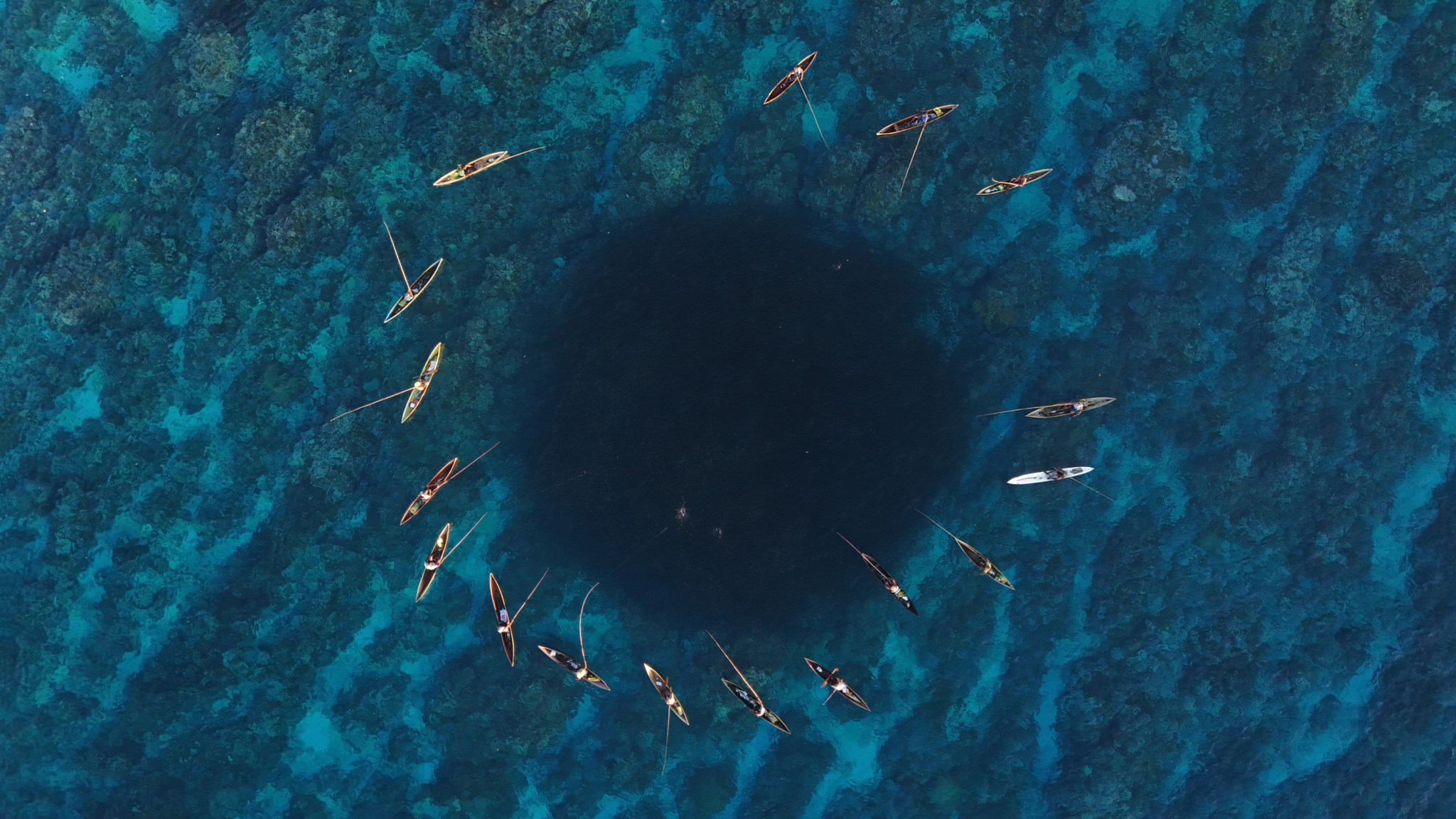
PHOTO: Kokopo, East New Britain, Papua New Guinea


Ocean Guardianship Grounded by Tradition
The Reserve is premised on a fundamental concept: that these waters and ecosystems are the home of the Indigenous Peoples that have occupied them for hundreds of centuries, and that their continued harmonious presence in this area will be the best way to secure it for the long term. It is about working with a living system of governance grounded in customary law and Indigenous knowledge.
The Melanesian Ocean Reserve builds on this foundation, ensuring that traditional authority is not only recognised, but actively shaping how ocean management is implemented across the region.
Through partnerships with Indigenous institutions, including the Islands Knowledge Institute, the Reserve is:
Integrating cultural knowledge with scientific approaches
Supporting community-led stewardship
Embedding customary governance into national and regional decision-making
This is not symbolic inclusion — it is active, operational leadership guiding implementation on the ground.
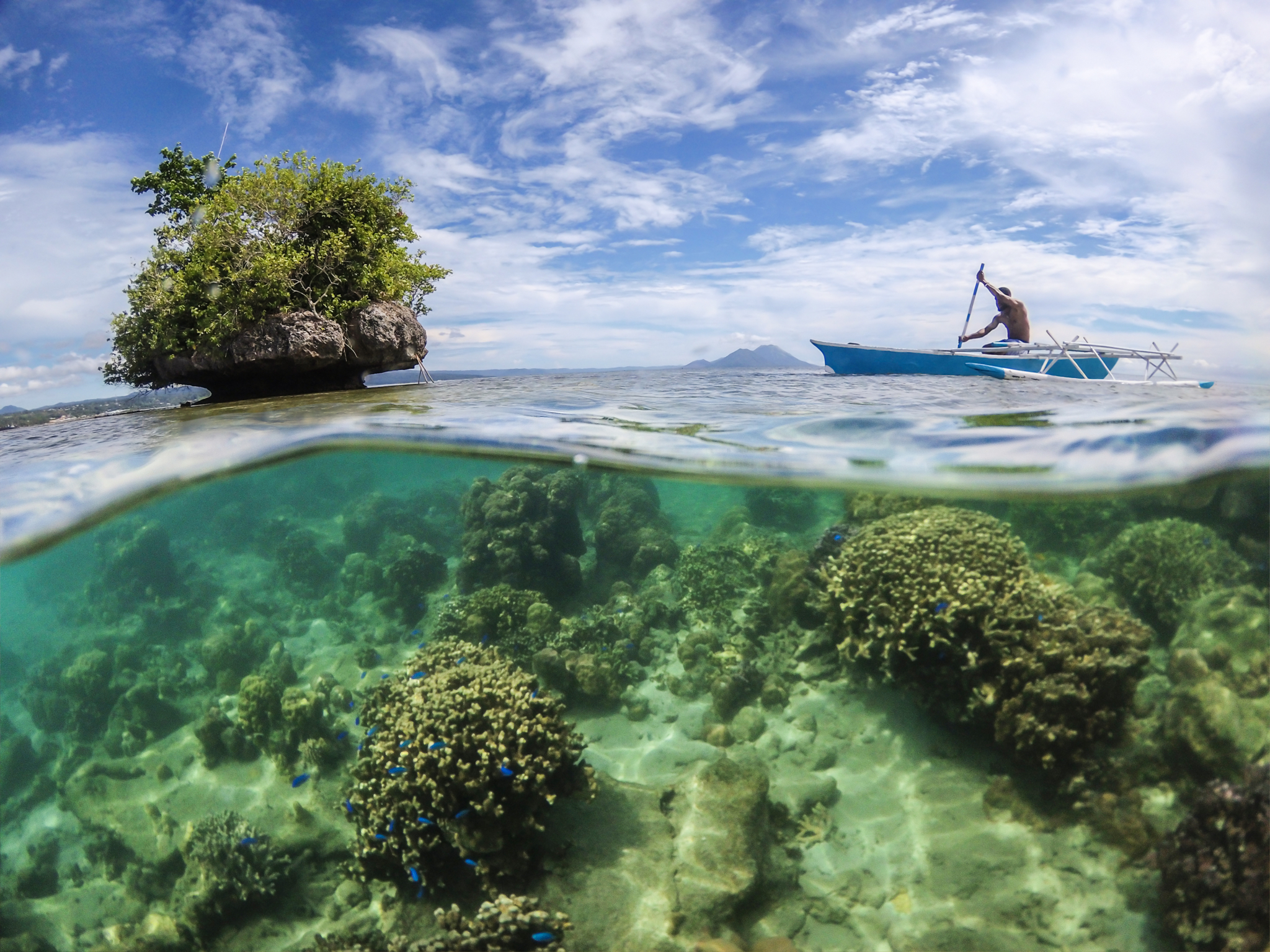
PHOTO: West Vanua Lava, Torba Province, Vanuatu. BREJ Pacific General Distribution.
Led by Ocean Countries
The Melanesian Ocean Reserve is led by the governments of Solomon Islands, Papua New Guinea, and Vanuatu — three nations united by ocean currents, shared knowledge, and a common responsibility.
Ministerial-level leadership from all countries has strengthened the regional momentum behind the initiative and it remain the only Cabinet-endorsed Ocean governance framework currently being advanced by the Solomon Islands Government, with active implementation underway across the region.
They commit to long-term ecological resilience and sustainable economic benefits for Ocean Peoples and marine biodiversity — consistent with international conservation standards but rooted in local leadership and traditional knowledge.
The Reserve reflects a clear position: Melanesian Ocean governance is led by countries, grounded in national authority, and focused on implementation, not declaration.
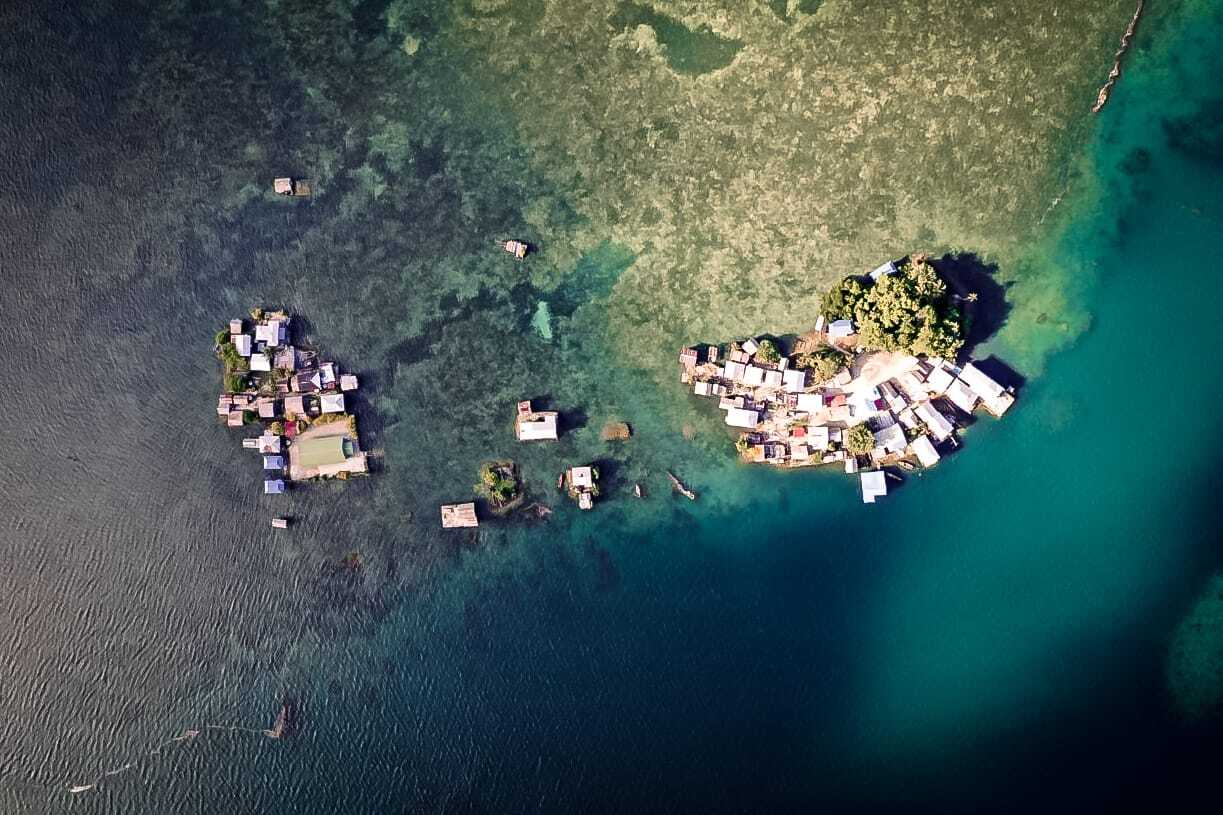
PHOTO: Lau Lagoon, Malaita, Solomon Islands


Protection for People and Place
The Melanesian Ocean Reserve is delivering practical outcomes that protect both marine ecosystems and the communities that depend on them.
Implementation is already underway across key areas, from eco-tourism to small-scale Indigenous fisheries, sustainable aquaculture to renewable ocean energy. It is built on a no-loss principal-protecting key revenue sources while creating new pathways for investment and inclusive, sustainable development. It is not only a model of environment protection- it is a living cultural seascape, where marine governance flows from the ancestral wisdoms of our people implemented through a growing portfolio of programmes, including:
ARA – Ocean Knowledge Partnership
VATA – Voyaging, Alliance, Trade and Autonomy
SOLWATA – Seascape Oversight & Local Watch
MANA – Indigenous Investment Platform
It is in the implementation of this framework, that prosperity will come from balance so livelihoods and ecosystems can grow together.
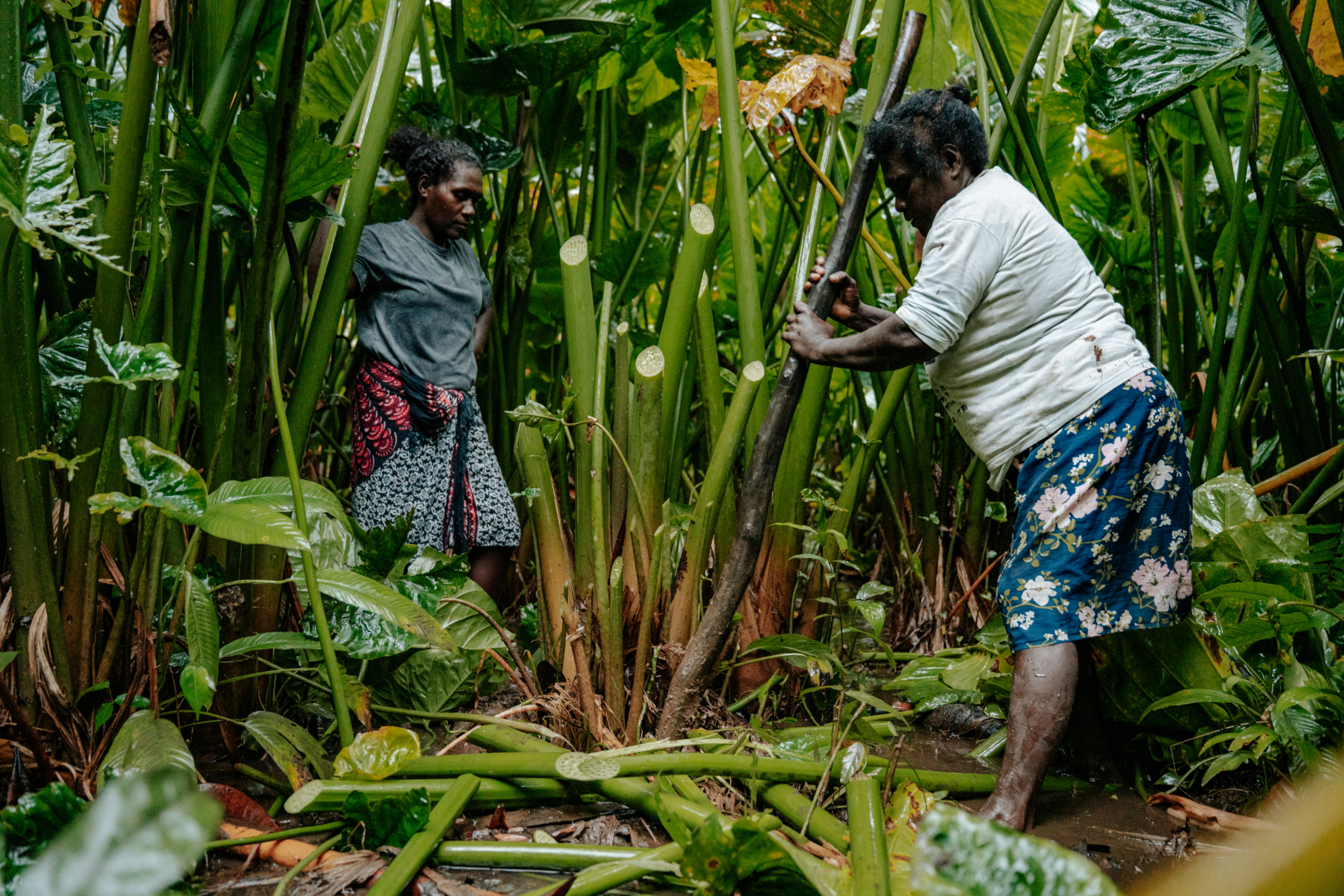
PHOTO: Taora Village, Solomon Islands
“For millennia, the Indigenous Peoples of Melanesia have been the wisest and most effective stewards of these sacred waters. That is why the governments of Melanesia are joining forces to create an unprecedented ocean reserve that honours our identities, livelihoods, and spiritual connections.”